
Protein: The One Thing Your Body Can’t Afford to Ignore
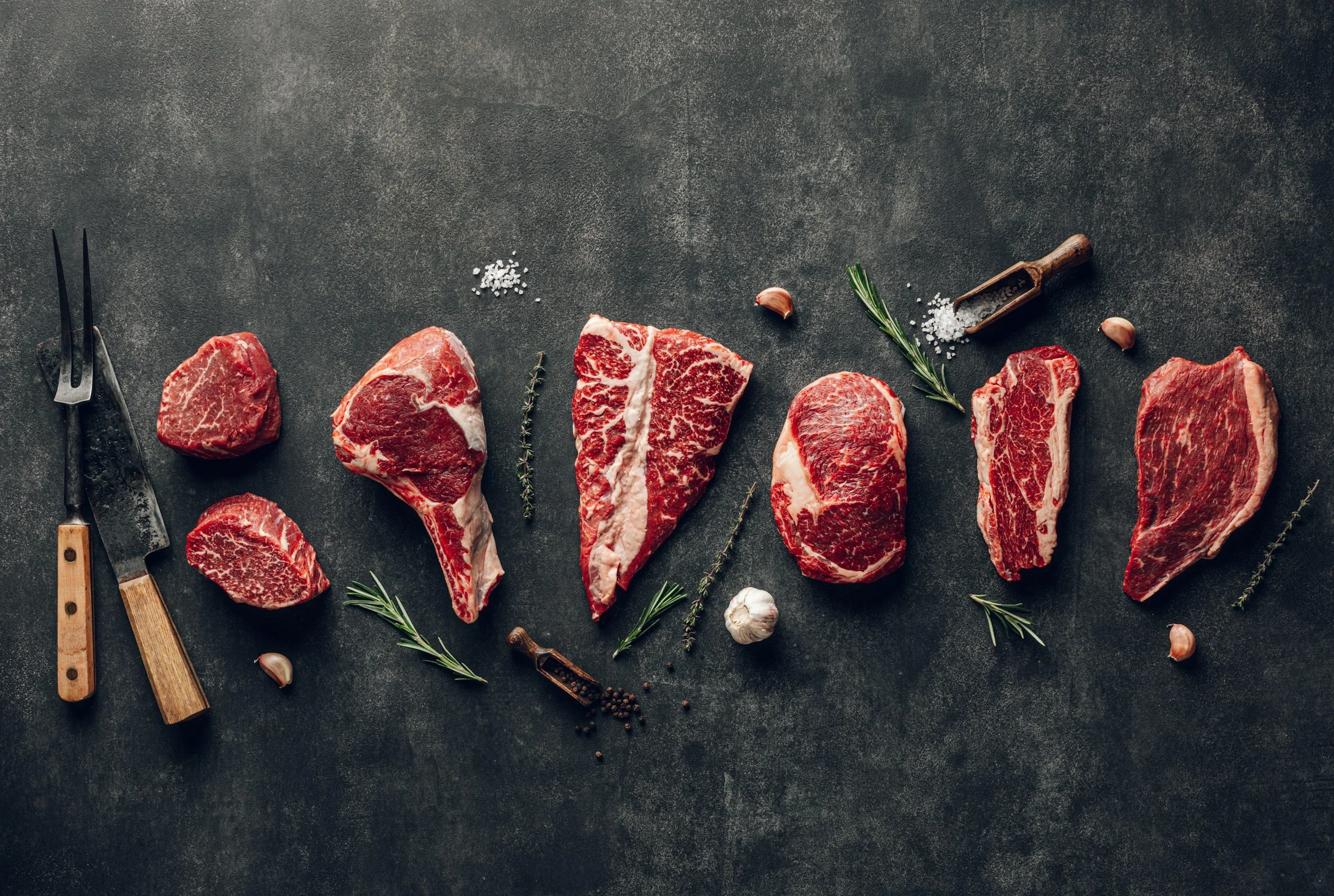
Protein does more than just build muscle
When most people think of protein, they picture a bodybuilder chugging a shake. But protein isn’t just for bodybuilders, its for everyone who wants to feel stronger, move better, and recover faster from life’s daily demands.
At its core, protein is a building material. Your body uses it to repair muscle fibers broken down during exercise, produce enzymes that power your metabolism, build hormones like insulin, and keep your immune system sharp. Without enough of it, each of these systems will start to underperform.
One thing people overlook about protein is its ability to keep you full. Protein is the most satiating macronutrient, meaning a high-protein meal tends to leave you satisfied longer than one loaded with carbs or fat alone. That makes it a secret weapon for fat loss and managing your hunger throughout the day.
Finding your number, and when to eat it
More recent developments in the methods used to determine protein needs show recommendations on protein intake has been underestimated by about 40%. With that in mind, the next question is how much you actually need in your diet? That answer depends heavily on your personal goals, but here are the ranges that most current research supports:
Example: So a 160 lb person who just started lifting weights should aim for roughly 108 - 146 g of protein per day (0.68 × 160 and 0.91 × 160). That might sound like a lot, and it will be at first, but once you start building meals around protein, it adds up faster than you’d expect. In the next blog I’ll talk about how to structure a meal plan with your macros in mind.
Your protein timing matters too. One study compared three diets with the same protein goal. Diet one had eight meals per day with each containing 10.5 g of protein, diet two had two meals per day with each containing 42 g of protein, and diet three had 4 meals per day with each containing 21 g of protein. The result of this study showed diet three to have the best results for muscle growth. As a practical rule, try to hit around 30 to 40 g of protein in each meal. That gives your body a consistent stream of essential amino acids to promote muscle protein synthesis and keep the body in a muscle building, or anabolic, state.
The best sources: food first, supplements second
With our daily target in mind, the next step is knowing where to actually get your protein from. The good news is that there’s so many protein sources, and none of them require an expensive supplement stack.
Notice that the protein shake is last on the list. Whole food sources come with extra nutrients like vitamins, minerals, and fibers that a protein shake won’t. Think of protein powder as a convenient backup for days when hitting your number through food alone is tough, not as the foundation for your intake.
Myths that might be holding you back
Lets clear the air on a few of the protein myths that trip up almost every beginner at some point:
“Your body can only absorb X number of grams of protein per meal.”
Your body absorbs all the protein you eat, it just processes larger amounts more slowly. Spreading intake out is still smart to maintain muscle protein synthesis more often, but nothing is wasted.
“Eating a lot of protein will damage your kidneys.”
In healthy individuals, higher protein intake has not been shown to harm kidney function. This concern applies to people with a pre-existing kidney disease.
“Protein will make you bulky.”
Getting “bulky” requires a caloric surplus and years of consistent training. Eating more protein without those conditions will simply help your body maintain and repair muscle.
Protein is the secret weapon for fat loss
If fat loss is one of your goals, protein deserves even more of your attention. Most people trying to lose weight focus entirely on cutting calories, but what you eat matters just as much as how much you eat. And when it comes to losing fat while keeping the body your building, protein is the lever that does the most work.
First, protein keeps your hunger in check. It suppresses ghrelin, your hunger hormone, helping you feel satisfied on fewer calories throughout the day. Less hunger means fewer unplanned snacks, and fewer unplanned snacks means a deficit that’s actually sustainable.
Second, protein costs more calories to digest. Your body uses 20–30% of protein's calories just to break it down, compared to 5–10% for carbs and almost nothing for fat. This is called the thermic effect of food, and it means a high-protein diet is quietly burning more energy in the background without any extra effort from you.
Third, and this one is critical, protein protects your muscle when you're in a caloric deficit. When you eat less than your body needs, it looks for other fuel sources. Without enough protein in the picture, muscle is fair game. Eating adequate protein signals your body to burn fat instead, preserving the strength and tone you're working to build.
Finally, research consistently shows that high-protein diets reduce cravings and late-night snacking which are two of the biggest obstacles for anyone trying to lose weight. When your meals are built around protein, you're simply less likely to find yourself raiding the kitchen at 10pm.
Small habits. Big results.
The goal of fat loss isn’t just to see a smaller number on the scale. It’s to lose fat while keeping muscle. Protein is what makes that distinction possible. This is why two people can eat the same number of calories and get very different results. The one eating more protein tends to lose more fat, retain more muscle, and feel more energized throughout the process. For a beginner, simply prioritizing protein at every meal before you start worrying about anything else is often enough to start seeing real change. And if you're in a calorie deficit, aim for the higher end of your protein range. The leaner you get, the more important it becomes to protect what you've built.