
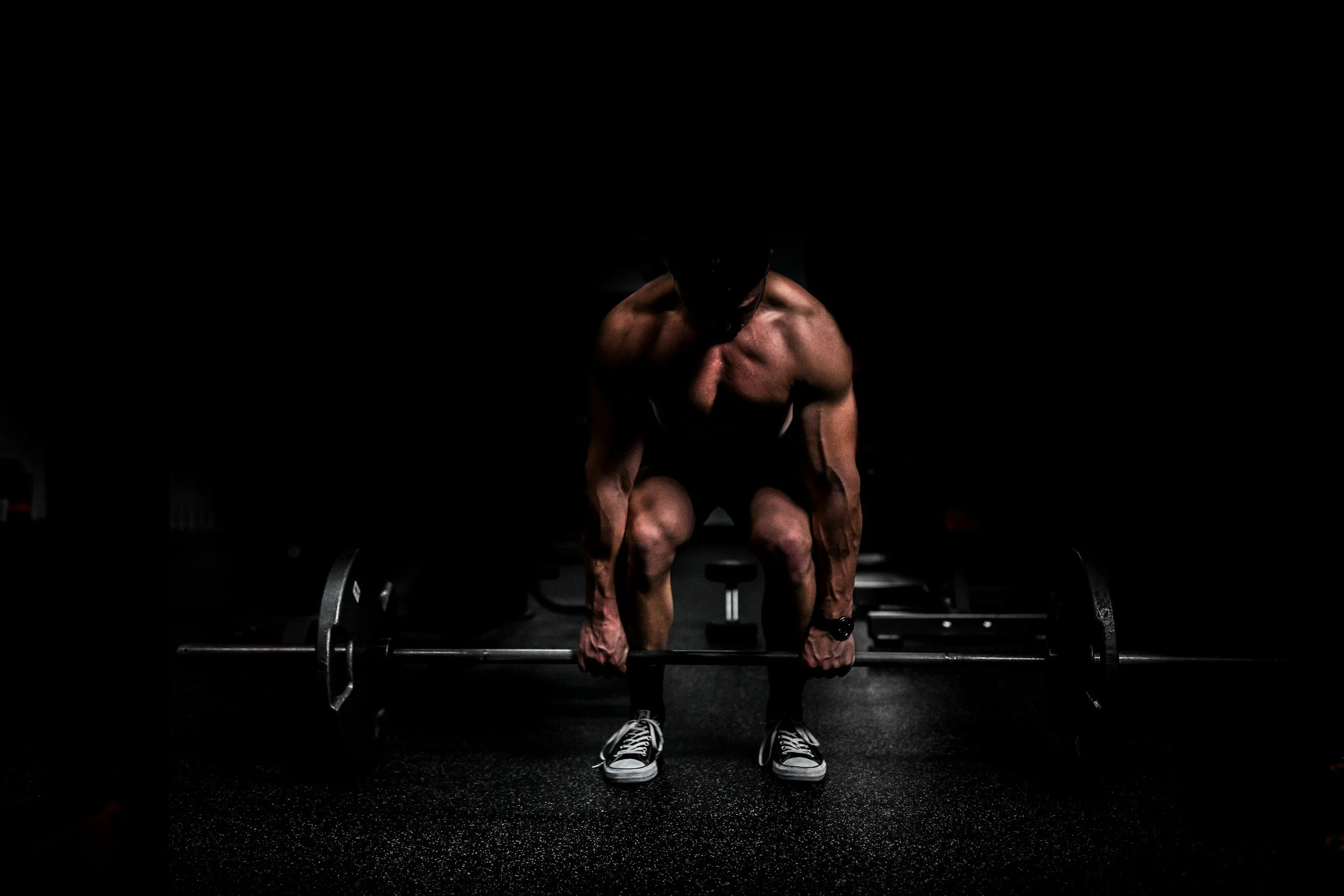
If you’ve been in a gym for more than a few months, you’ve probably heard someone mention periodization. But mot people have no idea what it actually means or why it matters. The NASM Optimum Performance Training model, or OPT Model, is one of the most well-researched and systematically designed frameworks for building a training program that actually works long-term.
This isn’t “bro science”. This is the model used by thousands of certified personal trainers, strength coaches, and physical therapists around the world. And once you understand it, you’ll never think about programming the same way again.
See my blog titled "What is Periodization? The Strategy Behind Real Progress" for a full breakdown of Periodization and why you need it!
What Is the OPT Model?
The OPT Model is a framework developed by the National Academy of Sports Medicine (NASM). Its core premise is simple. Your body needs to be prepared to handle stress before you start piling it on.
The model is organized into three levels and five phases. Each phase has a specific physiological target, a defined rep range, a recommended intensity, and a specified tempo. None of these are arbitrary. Every variable exists for a reason.
The three levels are:
Level 1 - Stabilization: This is where everyone should start, regardless of your experience level. The goal is neuromuscular efficiency: teaching your joints, muscles, and nervous system to work together under load before adding significant weight.
Level 2 - Strength: This is where the majority of your training should be spent. It covers three distinct phases targeting strength endurance, muscular development, and maximum strength. Most intermediate and advanced lifters cycle through these three phases.
Level 3 - Power: This is the advanced block. It only includes Phase 5 which trains the body to produce force rapidly. It’s usually reserved for athletes, advanced lifters, and those with specific athletic performance goals.
The Five Phases Broken Down
Phase 1 - Stabilization Endurance
This phase is the most underrated and most skipped phase in all of fitness. It targets proprioception, joint stability, and muscular endurance through higher rep ranges (12 to 20), lower loads (50 to 70 percent of 1 Rep Max), and a controlled tempo of 4-2-1. The slow eccentric and paused isometric force your stabilizer muscles to do real work.
Who needs this phase? Everyone. Beginners need it to build a movement foundation. Experienced lifters returning from a layoff need it for tissue preparation. Even advanced athletes cycle back into Phase 1 between heavy training blocks to reinforce mechanics and reduce injury risk.
Phase 2 - Strength Endurance
Phase 2 is the bridge. It introduces supersets where a traditional strength exercise is paired directly with a stabilization exercise targeting the same muscle group. For example: a barbell bench press paired with a dumbbell chest press on a stability ball.
This approach keeps the stabilization demand high while introducing heavier loads. Rep ranges sit between 8 to 12 at 75 to 85 percent of 1 Rep Max. It is one of the most effective phases for body composition changes and is often the sweet spot for someone who wants to look and perform better without specializing in either direction.
Phase 3 — Muscular Development (Hypertrophy)
This is the phase most people think they’re in when they are actually not. True hypertrophy training requires enough volume, the right intensity, and adequate mechanical tension over time. Phase 3 uses 3 to 5 sets of 6 to 12 reps at 75 to 85 percent of 1Rep Max with a moderate tempo and structured rest periods.
The key here is progressive overload. The goal is to create enough muscle damage and metabolic stress across multiple sessions per week to drive adaptation. This is not possible without a proper stabilization and strength base underneath it.
Phase 4 — Maximal Strength
Phase 4 shifts the primary target from muscle size to neural drive. Lower rep ranges (1 to 5), heavier loads (85 to 100 percent of 1Rep Max), and longer rest periods (3 to 5 minutes). This phase builds the capacity that feeds into Phase 5 and simultaneously increases the strength ceiling that allows you to train at higher relative intensities in Phases 2 and 3.
Not every client needs this phase. But for the advanced lifter or anyone whose goal includes getting significantly stronger, skipping Phase 4 is leaving results on the table.
Phase 5 — Power
Power is not just strength. Power is strength expressed quickly. Phase 5 uses a superset format pairing a traditional strength movement with a plyometric or explosive variation of the same pattern. For example: deadlift paired with a broad jump, squat paired with a jump squat, row paired with a medicine ball slam.
Loads are intentionally lighter (30 to 45 percent of 1Rep Max on the power movement) because the goal is velocity, not weight. This phase develops rate of force development, a.k.a how fast your muscles can fire, which has direct carryover to athletic performance. This phase can be modified to help with fall prevention in older populations as well!
How The Phases Work Together
The OPT Model is not a program you run once and finish. It’s a framework for structuring training across weeks, months, and even years. Most beginner and intermediate clients will cycle through Phases 1, 2, and 3 in what is called an undulating or block periodization structure. Advanced lifters may incorporate Phase 4 before returning to hypertrophy work.
The research behind this approach consistently shows that undulating periodization, or varying the training stimulus across phases, outperforms linear periodization for long-term strength and hypertrophy gains. Your body is an adaptation machine. Change the stimulus, and it keeps responding.
| Goal | Primary Phases | Typical Cycle |
|---|---|---|
| Fat Loss/ General Health | 1 and 2 | Alternate ever 4 weeks |
| Body Composition/ Aesthetics | 2 and 3 | 3-4 weeks each, cycle back |
| Strength and Size | 3 and 4 | 4-6 week blocks, linear or undulating |
| Athletic Performance | All 5 | Periodized annually around competitions or seasons |
Why This Matters for You
Most people train randomly. They do what feels good that day, follow a YouTube program for three weeks, or copy whatever the most jacked person at their gym is doing. The OPT Model removes the guesswork. Every session has a purpose. Every phase builds on the one before it. Every variable: reps, sets, tempo, rest, intensity. Each is selected for a reason.
In the next post in this series, we go deep into Phase 1. What stabilization training actually does physiologically, how to structure a full stabilization phase, and why even experienced lifters often have gaps this phase exposes.