
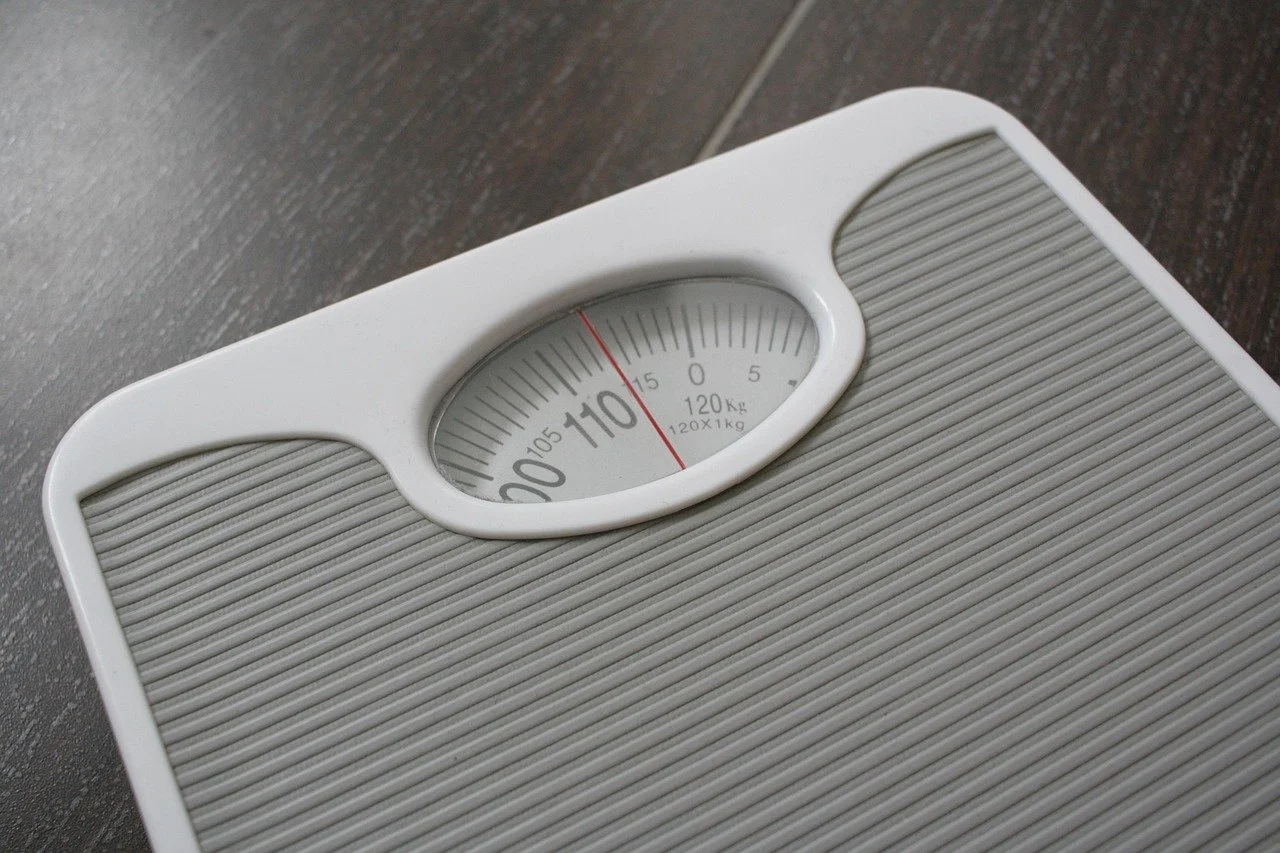
Body Weight Scale
Tracking Progress
One of the most common things I see with clients is how much focus is placed on the number on the scale. Trust me, I get it. It’s a simple number that you can look at every day, and it feels like it’s the only way to measure your progress. However, the reality is that the scale is only one of many methods for tracking your progress.
Body weight can fluctuate for so many different reasons that have nothing to do with your real progress. Water retention, sodium intake, stress, sleep, and even the time of day can all affect what the scale shows. This is why it’s completely possible for someone to be making great progress while the scale barely moves, or even goes up a little bit.
What Really Matters
What actually matters for most people’s goals is how their physique is changing. Are you building muscle? Are you losing body fat? Are your clothes fitting differently? These changes don’t always show up clearly on the scale, especially if someone is gaining muscle while losing fat.
I was talking to one of my clients the other day, and he was telling me his shirts were getting baggy and that he’s gone down a few holes on his belt. The excitement in his voice was amazing! We can talk all about the number on the scale, but the physical progress is where it really matters.
This is one of the reasons I have my clients take progress photos and review them during some of our weekly check-ins. Sometimes clients will feel like they haven’t made much progress because it’s easy to focus on the number and dismiss the visual progress when you see yourself every day. But when we pull up a side-by-side comparison of their photos from just a few weeks ago, the difference becomes much more obvious. You can actually see the changes in body composition, and sometimes even their posture. One of the best feelings in the world is seeing a client’s face light up when they actually see the progress they’ve made.
How To Effectively Use A Scale
Many people will weigh themselves every morning just to see the number move a fraction of a pound. Not only is this an unhealthy habit that can ruin your mood for the day, but it also doesn’t get the whole picture.
The method I use for my clients is a simple weekly weigh-in. This gives enough time for your body to actually shed a little bit of weight, and it helps avoid that obsessive desire to see a change in the number.
If you’re dead set on weighing yourself every day, then you’ll want a slightly different approach. Instead of just looking at the number, write it down in a spreadsheet. You can use this data in a couple of different ways that will give you a much better idea of your progress overall.
Method 1: Take The Average
At the end of the week, you’ll have seven numbers that could be all over the place. Average out the measurements you have for the week and keep track of that number. This will give a better understanding of your “True Weight” instead of focusing on the tiny fluctuations that are caused by a multitude of reasons. Comparing these weekly averages is a more accurate method than comparing the day-to-day change.
Method 2: Make A Visual Aid
Go ahead and make a graph of all your weight data. The visual aspect of the graph will help you see the overall trend of your weight. This method is probably my personal favorite because you can add a trend line to see the overall change in your “True Weight,” and let’s be honest, everyone prefers looking at a graph instead of a bunch of random numbers!
Don’t Let The Number Blind You
At the end of the day, the best thing to do is be consistent and look at the whole picture. The scale can still be a useful tool, but it shouldn’t be the only way progress is measured. When you focus on the bigger picture, such as strength improvements, consistency, and how your physique is actually changing, it becomes much easier to stay motivated and trust the process.
If you found this information to be helpful, I share more training, nutrition, and lifestyle tips every week here on the blog. Sign up for my newsletter at the bottom of this page so you never miss a post!
And if you ever want personalized programming, nutrition guidance, and accountability, you can click the link below to work with me!